Users Lie, Data Misleads, and Why UX Research (Still) Matters

Watch & Listen:


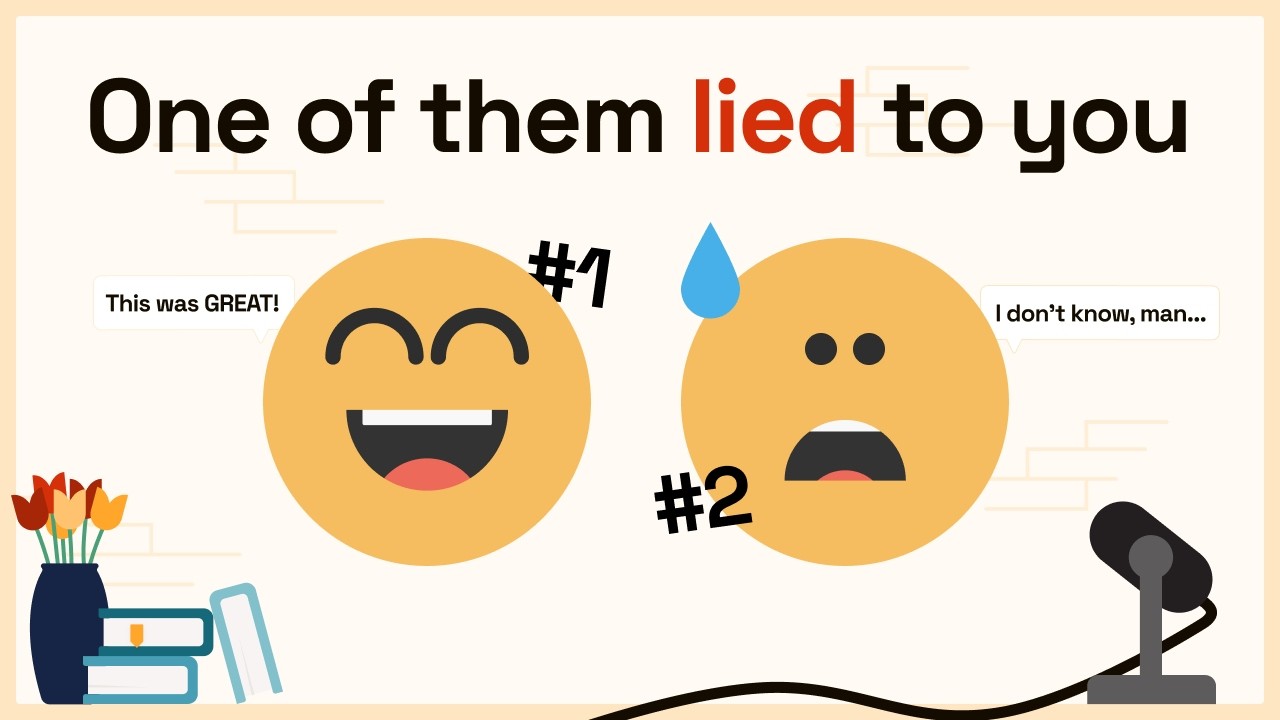
Users say one thing. Then they do something completely different. Nick, co-host at the Design Table Podcast, just found out the hard way.
In this episode of the Design Table Podcast, we discuss why user feedback can be misleading, why badly framed research creates false confidence, and how designers should really think about data and user research.
We talk about research methods that fail in practice, why people lie during tests, and how relying on a single data point can completely derail your product design decision making.
This episode is about moving beyond performative research and building confidence in your decisions using the right mix of qualitative and quantitative signals. It is a must-see for any designer who's interested in UX research.
Watch it on YouTube
Hosts
Tyler White
Tyler White is a Principal Product Designer with 15 years of experience in B2B SaaS and fintech, helping teams scope, frame, and connect design work to real business outcomes.

Nick Groeneveld
Nick Groeneveld is a freelance UX and product designers from the Netherlands. He started his design career in 2015 and has since then worked for startups, government agencies, and corporations.